
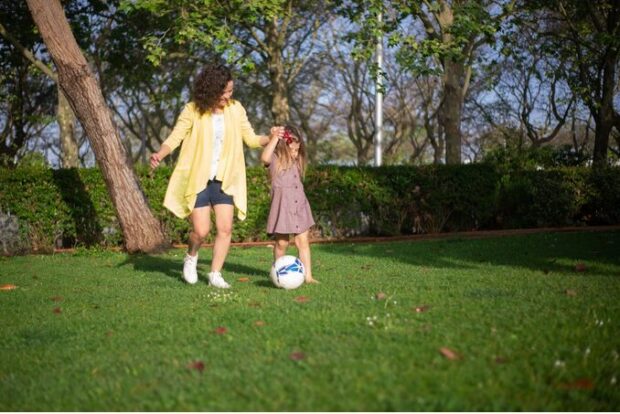
Modern parenting often looks very clean. Hand sanitizer sits in every bag. Antibacterial wipes appear in cars, kitchens, and playground benches. Toys get washed regularly, and many parents feel uneasy when kids come home covered in mud. Keeping children healthy is a natural goal.
No parent wants frequent illness or infections. Yet researchers have begun asking an uncomfortable question. What happens when childhood becomes too clean? Some health experts believe limited exposure to everyday microbes may affect how the immune system develops.
The Hygiene Hypothesis Explained
Scientists often reference something called the hygiene hypothesis. The concept suggests that early contact with harmless bacteria and microbes helps train the immune system. Without that exposure, the immune system may struggle to identify real threats. It can overreact to harmless triggers like pollen, dust, or certain foods. This reaction shows up as allergies, asthma, or autoimmune conditions.
Decades ago, children spent more time outdoors. They played in the soil, climbed trees, and interacted with animals. Modern lifestyles look different. Indoor time has increased, and disinfecting products are used more frequently. Researchers believe these changes may partly explain the rise in allergic conditions among children.
Dirt Is Not Always the Enemy

Parents often hear the phrase “cleanliness is next to godliness.” In many cases, that message still matters. Basic hygiene prevents harmful infections and protects vulnerable people. Yet, everyday dirt is not always dangerous. Soil contains microbes that help stimulate immune development.
Contact with natural environments may support healthy microbial diversity in the body. Children who grow up around pets or farms often show lower allergy rates. Exposure to animals introduces additional microbes into daily life. Doctors do not suggest abandoning hygiene. The goal is balance. A little mud on a child’s shoes may actually support long-term health.
Antibacterial Products and Their Limits
Antibacterial soaps and sanitizers became very popular during the past few decades. They promise stronger protection against germs. In certain situations, these products serve an important purpose. Hospitals and medical settings rely on strong disinfecting routines. Daily home use, however, raises some concerns.
Frequent antibacterial use may remove helpful microbes along with harmful ones. Some experts also worry about bacterial resistance developing over time. Regular soap and water usually work well for routine hand washing. For most families, that simple habit covers the basics without overdoing it.
The Benefits of Outdoor Play
Outdoor activity offers more than fresh air and exercise. It also exposes children to a wider range of natural microbes. Parks, gardens, and forests contain diverse bacteria that interact with the human microbiome. This exposure may help the immune system mature. Kids who spend time outside often engage in unstructured play.
They dig in dirt, climb rocks, or explore plants. These experiences support physical development too. Many pediatricians encourage daily outdoor time when possible. Parents sometimes joke about muddy clothes after a long day outside. In many cases, that mess reflects healthy play.
Finding a Healthy Middle Ground
Raising children in a healthy environment does not require extreme measures. Balanced hygiene habits usually work best. Hand washing before meals and after using the bathroom remains important. Food safety and basic cleaning should continue. At the same time, children benefit from contact with nature.
Outdoor play, pets, and normal social interaction help expand microbial exposure. Parents often feel pressure to eliminate every germ. In reality, the body needs practice dealing with everyday microbes. A little dirt during childhood might be less harmful than we once believed.