
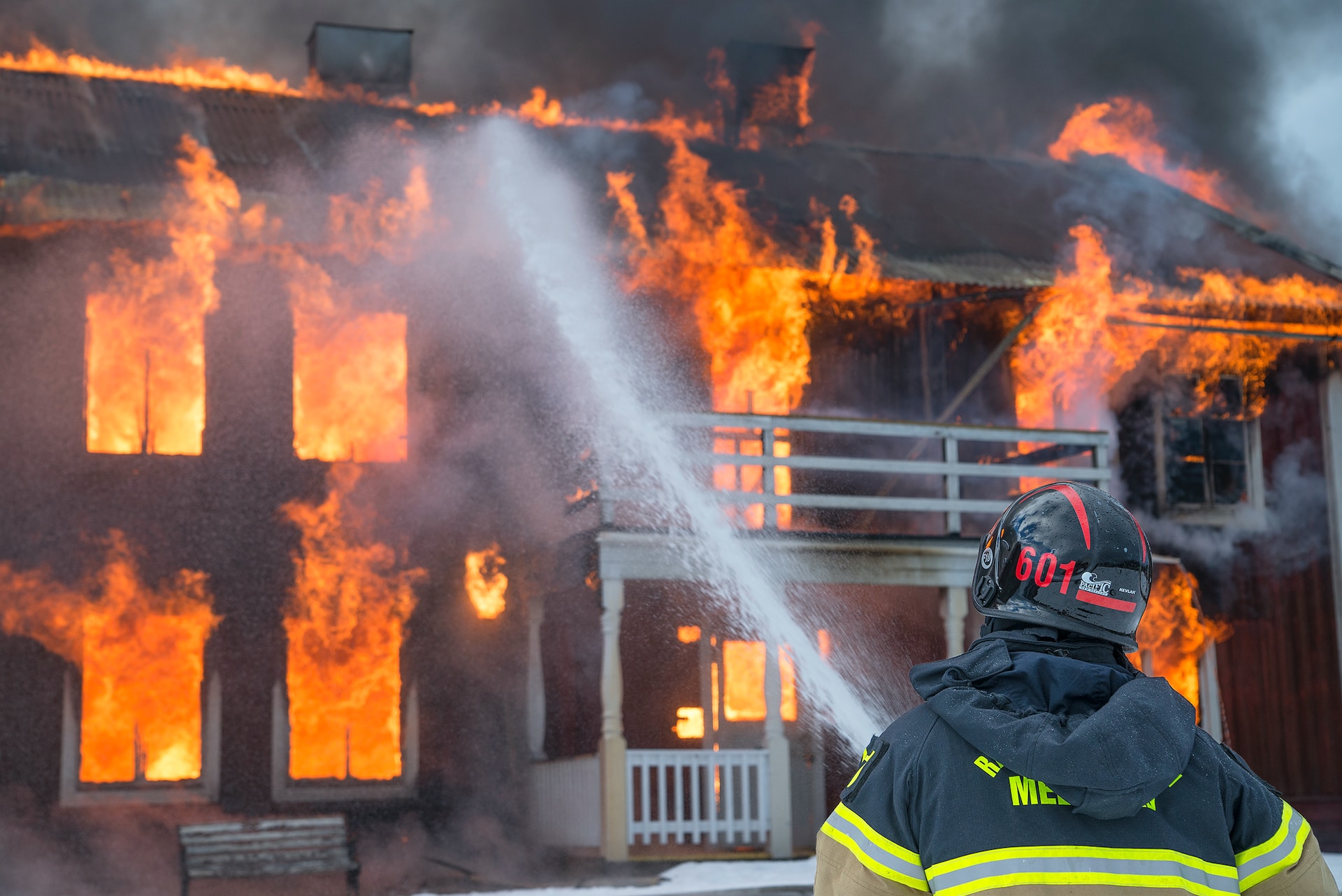
After the flames have been extinguished and the smoke has cleared, a house fire can leave behind devastation and destruction. However, amid chaos, it is important to prioritize safety first. Even after a fire has been put out, many potential hazards may remain in your home. On the other hand, selling a fire damaged house can be a tough task, but it is not impossible. In this guide, we will discuss the steps you can take to ensure your home is safe after a fire and how to move forward with selling your fire damaged property.
Wait for the All-Clear
Before re-entering your home, wait for the all-clear from the fire department or relevant authorities. They will assess the structure’s safety and ensure no immediate dangers. It is important to follow their instructions and re-enter once it is deemed safe.
Structural Integrity Assessment
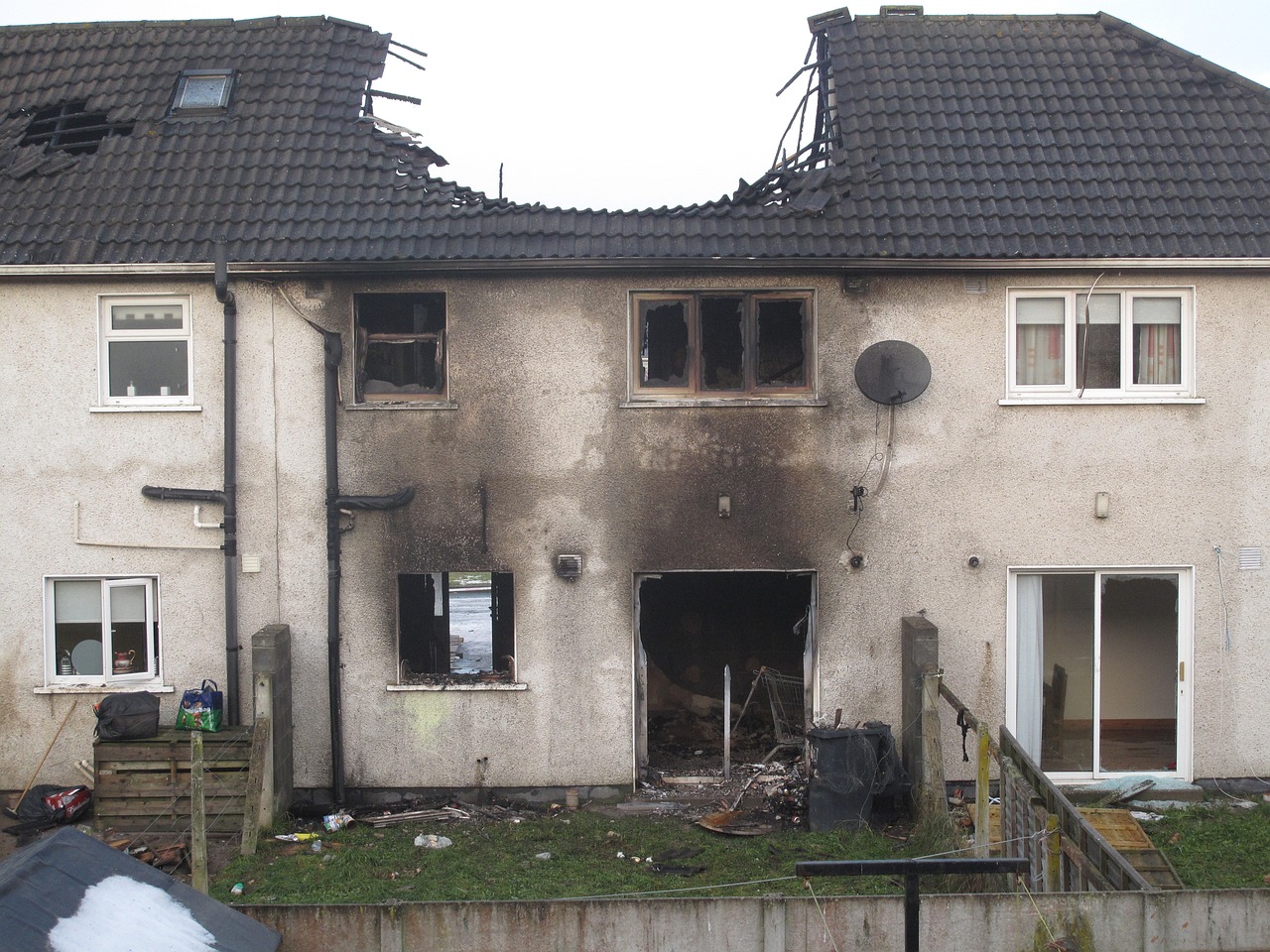
Once you receive the green light, the first step is to have a structural engineer or qualified building inspector assess the safety of the building. They’ll look for damage to load-bearing walls, the foundation, and the roof to determine if it’s safe to enter. Sometimes, they may recommend re-entering only after necessary repairs have been made.
Electrical and Gas Shut-Off
In the event of a fire, it is essential to turn off all gas and electrical utilities. This can help prevent further damage to your home and reduce the risk of electrical shocks or gas leaks. Contacting professionals to handle these shut-offs is recommended, as it can be dangerous to do so yourself.
Inspect for Water Damage
Even if your home was not directly affected by the fire, there may still be water damage from extinguishing efforts. It is important to thoroughly inspect your home for any signs of water damage, such as damp walls or floors. Water damage can lead to mold growth and further structural issues if left unchecked.

Seek Professional Cleaning Services
Even if your home doesn’t appear to have any major damage, it’s important to seek professional cleaning services. Smoke and soot can cause respiratory issues and be easier to clean with the proper equipment and expertise. Professional cleaners can also help identify any potential hazards or damaged areas that may have been overlooked.
Dispose of Damaged Items Properly
After a fire, there may be many damaged items that need to be disposed of. It is important to do so properly, as they may still pose a safety hazard. Contact your local waste management company for guidelines on disposing of fire-damaged items, such as furniture and appliances.
Have Your HVAC System Inspected
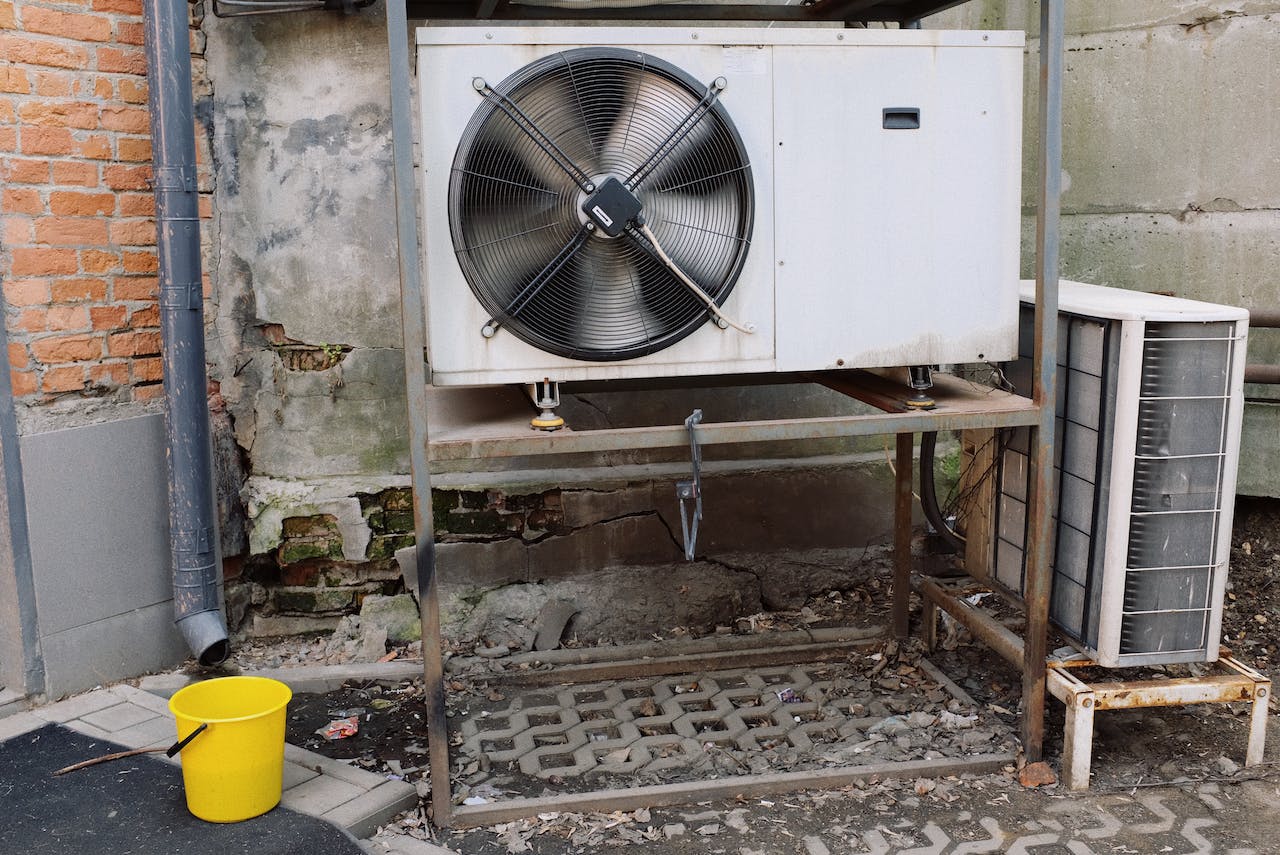
In addition to physical damage, a fire can also affect your home’s heating, ventilation, and air conditioning (HVAC) system. It is important to have it inspected by a qualified professional before using it again. They can check for any damage or blockages in the system and ensure proper functioning.
Replace Smoke and Carbon Monoxide Detectors
Replace any smoke detectors and carbon monoxide detectors that may have been damaged during the fire. Install new detectors and ensure they are in working order. These devices are essential for early detection of potential fire hazards and can save lives.
In Conclusion
Safety should be your foremost concern after a house fire. By following these steps, you can ensure your home is safe and habitable, and you can start the process of rebuilding and recovering from the aftermath of a fire. Remember that professional assistance is essential in assessing and addressing safety issues in your home.